
DIABETES TOOK HIS LEFT FOOT TWO MONTHS BEFORE IT TOOK HIS LIFE.
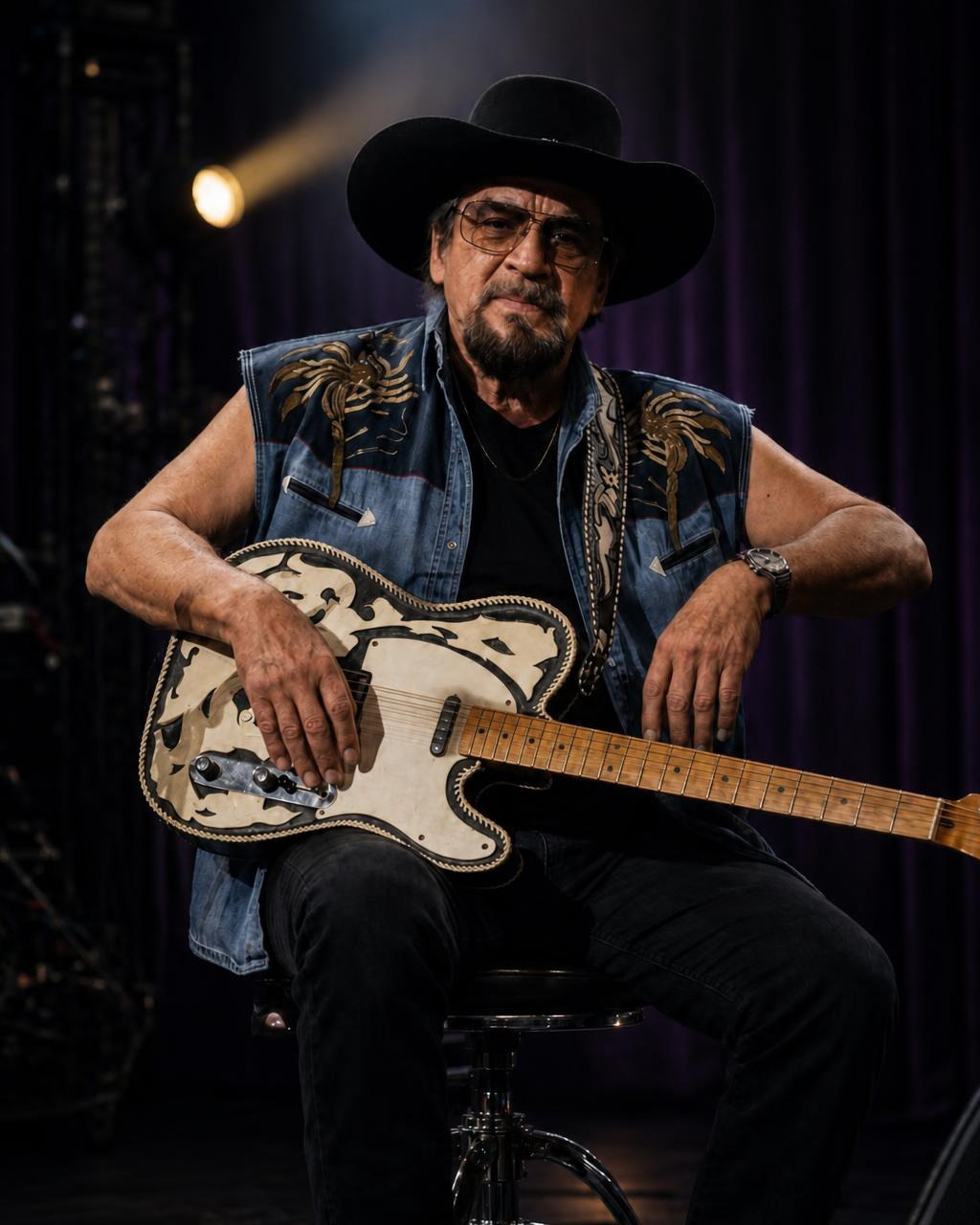
By the end of his life, Waylon Jennings was living with a body that had taken a hard beating and a spirit that refused to slow down. In December 2001, doctors in Phoenix amputated his left foot because of complications from diabetes. He was 64 years old. Even then, he was still talking like a man who expected to get back on the road. Not long after, he told people he hoped to tour again within months.
That confidence was pure Waylon Jennings. He had spent a lifetime pushing back against limits, whether they came from the music business, from public expectations, or from his own past. Born in Littlefield, Texas, he was on the radio as a boy and playing music early enough to seem destined for something bigger than his hometown. By the late 1950s, he had already become part of a story country fans still talk about with disbelief: he gave up his seat on the ill-fated plane that carried Buddy Holly, J.P. Richardson, and Ritchie Valens. Waylon Jennings lived with that moment for the rest of his life.
He also lived with Nashville as a battleground. The city tried to shape him into something smoother, something easier to package. Waylon Jennings did not cooperate. Instead, he helped reshape country music itself, becoming a central figure in the outlaw movement and proving that a country star could sound rough-edged, honest, and deeply personal all at once. His voice carried defiance, but it also carried pain, humor, and a kind of weary grace.
In October 2001, Nashville gave Waylon Jennings one of its highest honors with his induction into the Country Music Hall of Fame. He did not attend the ceremony in person. His son accepted the honor for him. When asked what the recognition meant, Waylon Jennings answered with the bluntness that made him famous: absolutely nothing. It sounded cold, but it also sounded like a man who never trusted awards to explain a life.
A life measured in empty seats
Waylon Jennings carried two powerful absences with him. One was the empty seat he gave away on that doomed flight in 1959. The other was the empty space left by illness at the end of his life, when his body could no longer stand where his voice had stood for so many years. Yet even when he had to sit down, he kept singing. In January 2000, at the Ryman Auditorium, he performed seated at center stage, as if to remind everyone that the music mattered more than the posture.
Waylon Jennings died in his sleep on February 13, 2002, in Chandler, Arizona. He was still the same man who had resisted smoothing, softening, and surrender. He had given away one seat out of kindness and survived with guilt. He had given away the other because illness left him no choice, and he met that moment with the same stubbornness he brought to everything else.
Waylon Jennings did not leave behind a polished legend. He left behind something stronger: a voice that told the truth, even when the truth was messy. That is why he still matters.