FOR 25 SUMMERS, HAROLD REID COULD HAVE SPENT JULY 4TH ANYWHERE.
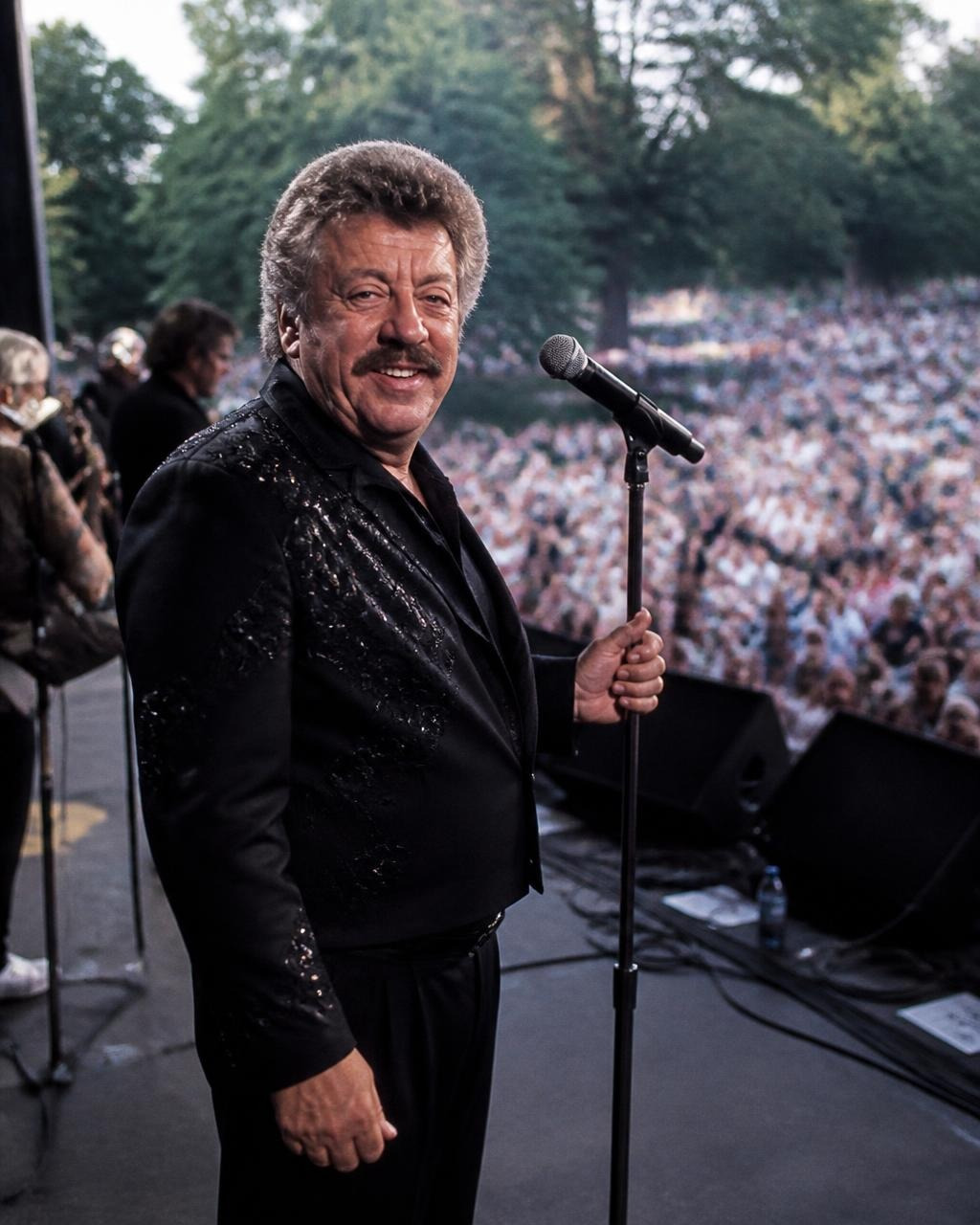
For 25 summers, Harold Reid could have spent July Fourth anywhere. He had the kind of career that could have taken him to any big stage in America. But year after year, he kept coming home to Staunton, Virginia. And for one special day, he helped turn a hometown park into a national gathering place.
A celebration that started with a simple idea
In 1970, Harold Reid and The Statler Brothers began a free Independence Day concert in Gypsy Hill Park. They called it Happy Birthday USA. What started as a local celebration quickly grew into something much larger. Families came early, spread out blankets, and made a day of it. Over time, people traveled from all 50 states and even from other countries to be there.
The event became part concert, part reunion, and part civic tradition. It was free to attend, and that mattered. It made the holiday feel open to everyone, not just the people who could afford a ticket.
Why Staunton kept calling him back
Harold Reid had already earned national recognition with The Statler Brothers. The group was known for its music, its harmonies, and its long place in American country music history. But Staunton was never just a stop on the map for Harold Reid. It was home.
That connection gave the July Fourth concert its heart. The crowd did not just come for a famous act. They came because the city and the band had built a shared tradition. Harold Reid understood that returning home could mean more than being celebrated. It could mean giving something lasting back to the place that helped shape him.
The final summer
By the final Statler Brothers concert in 1994, the event had become one of Virginia’s biggest Independence Day celebrations. Estimates placed the crowd at about 100,000 people, filling Staunton with energy, traffic, music, and pride. The little city became the center of a huge holiday memory.
That kind of crowd does not gather by accident. It comes from trust, consistency, and love for a tradition that feels bigger every year. Harold Reid helped build that. He kept showing up, not for the spotlight alone, but for the community that had carried his name long before fame did.
A legacy that still feels personal
Harold Reid’s story is not only about success. It is about loyalty. It is about choosing the same hometown park again and again, even when he could have gone anywhere else. It is about proving that a free concert can be more than entertainment. It can be a gift.
He did not simply return home to be honored. He returned to give something back.
That is why the story of Harold Reid and Happy Birthday USA still resonates. It is not only a music story. It is a hometown story, a gratitude story, and a reminder that the places that raise us often deserve a return visit, especially when it matters most.