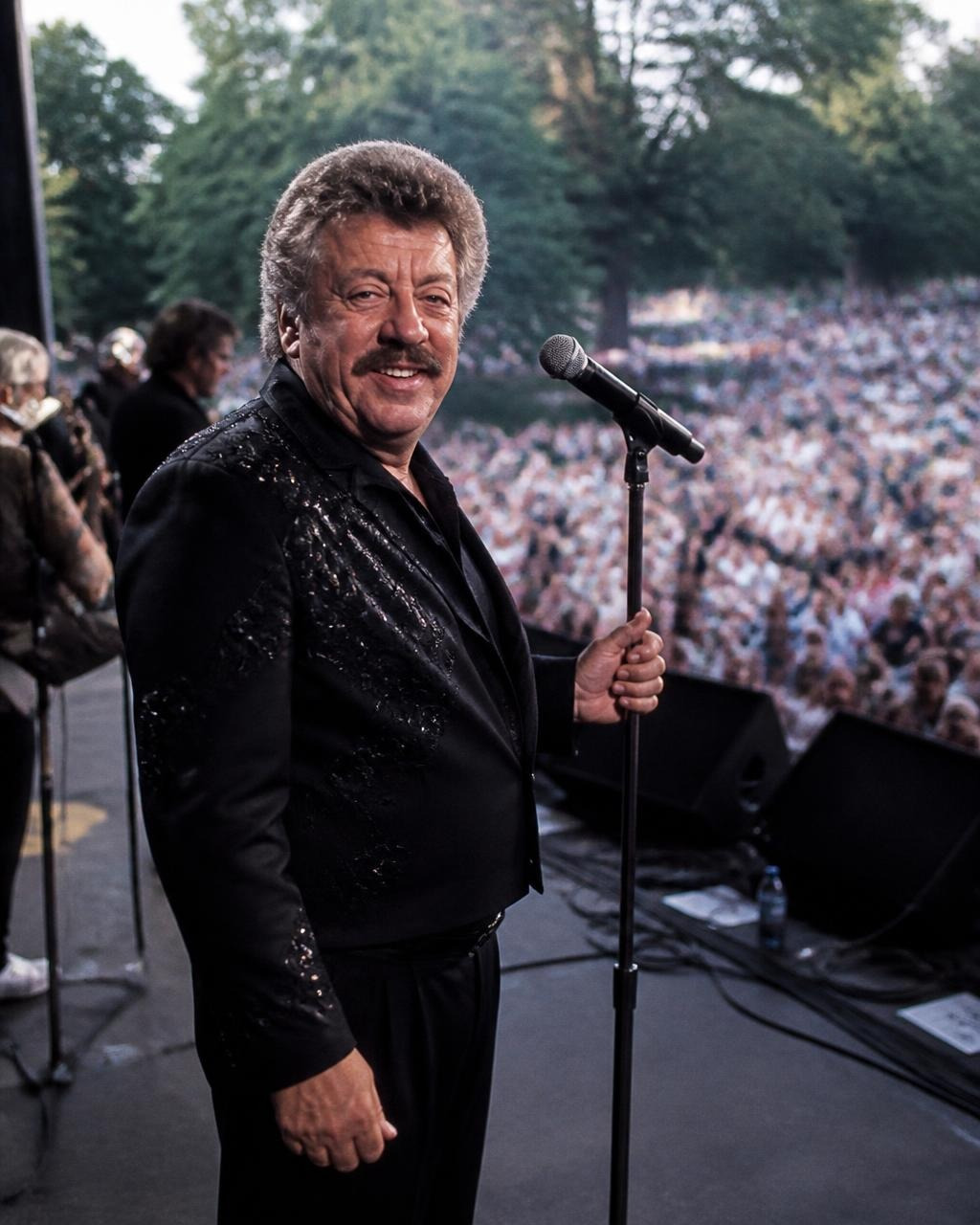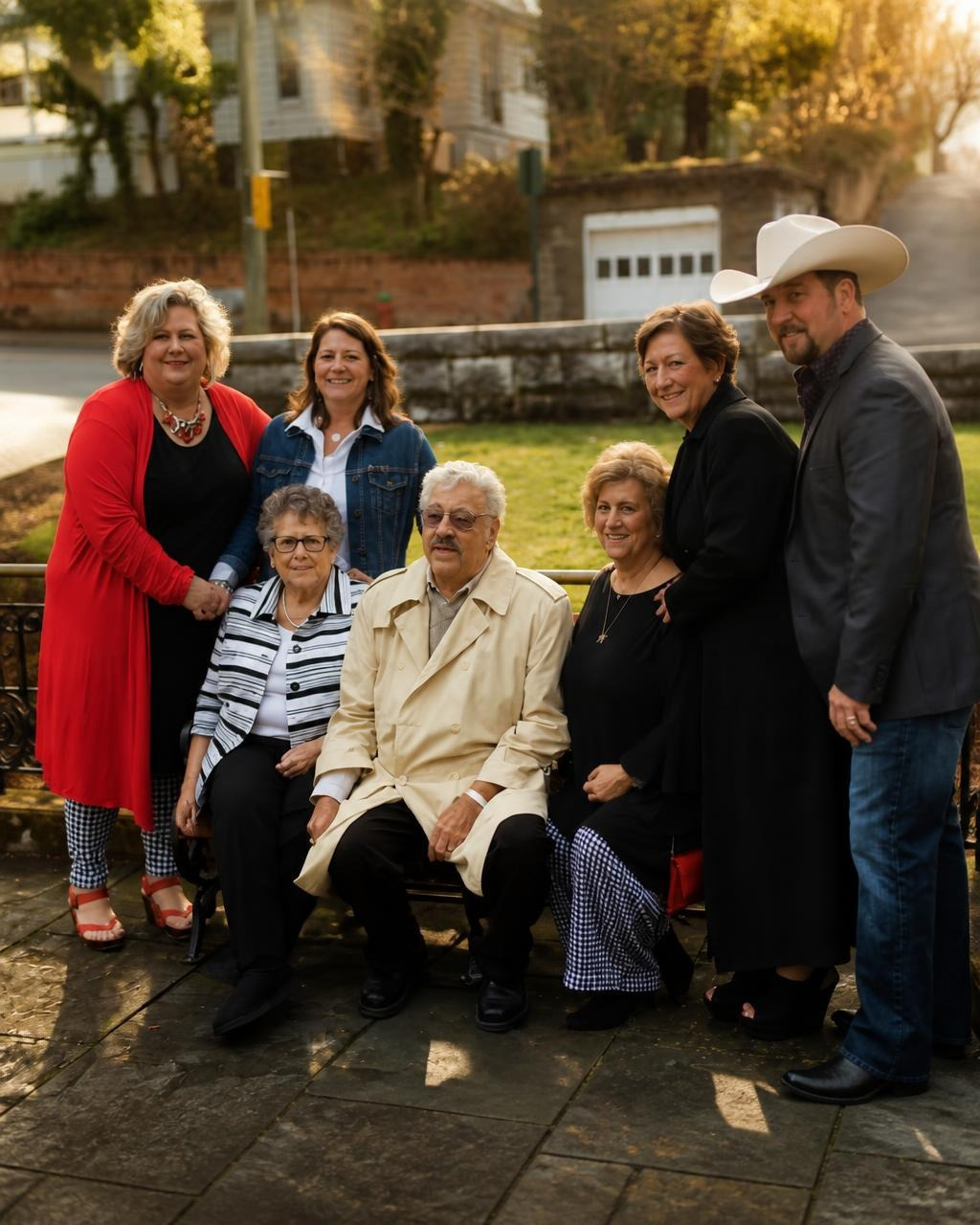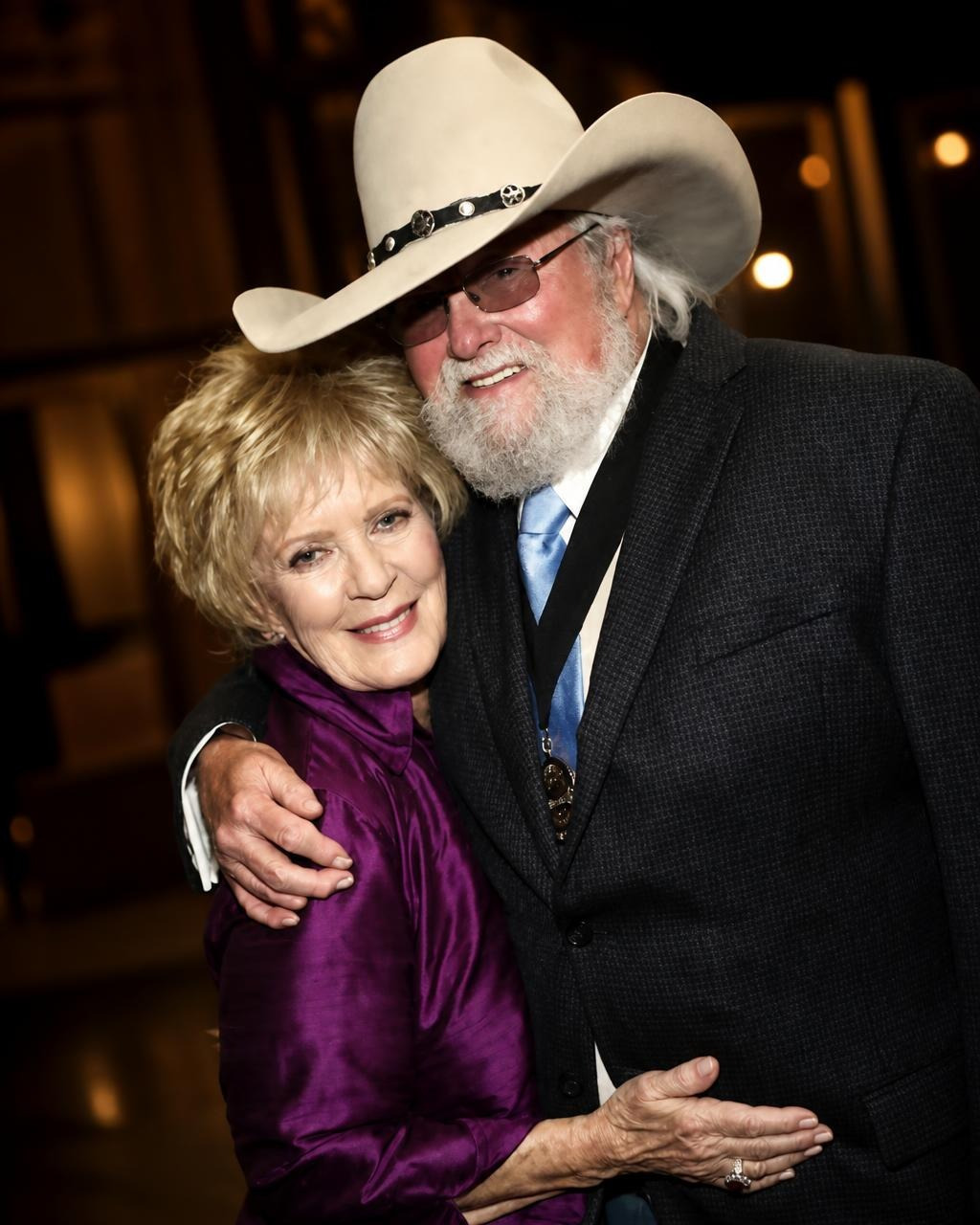
TANYA TUCKER WENT TO AUSTIN TO TESTIFY ABOUT A LINE OF STEEL TOWERS.
On a hot week in Austin, Tanya Tucker stood before state lawmakers and spoke with the kind of directness that has always made her impossible to ignore. She was there to talk about a proposed 765-kilovolt transmission line, a massive new piece of infrastructure that could stretch nearly 200 miles across Central Texas on towers close to 200 feet tall. For Tanya Tucker, the issue was not abstract. The line would cross land she and Craig Dillingham say they write and record music on, near their ranch outside Briggs in Burnet County, and they warned that the route could affect habitat for the golden-cheeked warbler, a federally endangered bird.
Tanya Tucker did not argue against the need for power. In fact, she said she wants a reliable grid. But she also pointed to memory, not policy language: the 2021 freeze, when Texans had to melt snow for water and improvise just to get through the day. Her point was simple. Need does not erase harm, and urgency does not excuse carelessness.
You don’t rush in and turn someone’s life upside down, Tanya Tucker told the committee.
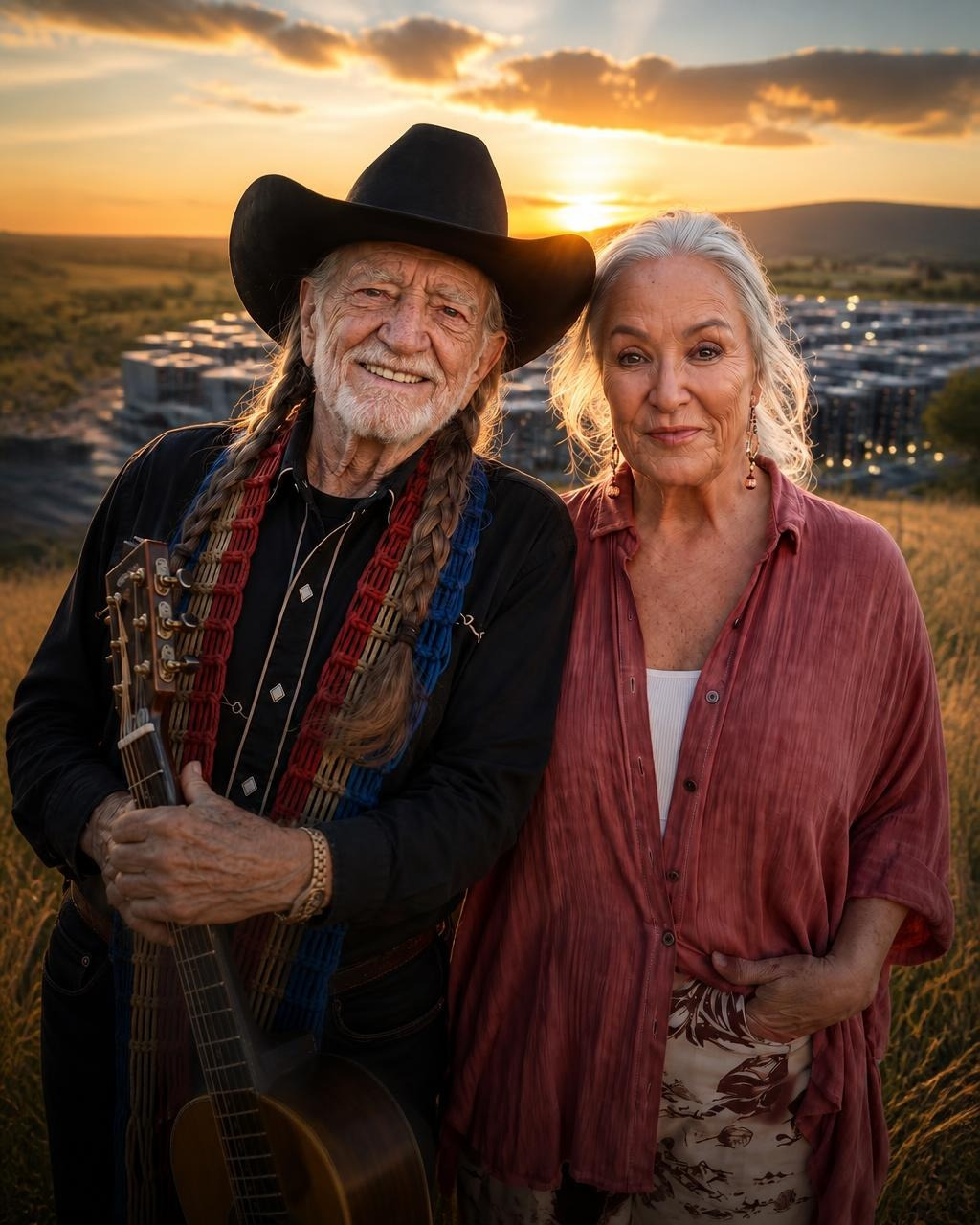
That same week, Willie Nelson entered a different fight with the same steady conviction. He posted a letter about data centers moving into rural Texas, warning neighbors to pay attention before the changes become permanent. Willie Nelson is 93, and he still speaks like someone who has watched Texas grow from open land into something louder, faster, and harder to recognize.
Willie Nelson grew up in Abbott, a small farming town in Hill County, and he still keeps a home there on land where he says he can see the stars at night. That image matters because it is not just about beauty. It is about what remains when development arrives: quiet, darkness, and the ordinary rhythm of rural life.
Hill County itself has already become part of the larger struggle. In May, it became the first county in Texas to pass a moratorium on new data centers. A developer sued for $100 million, and the county later rescinded the moratorium. The episode showed how quickly a local decision can collide with major financial pressure.
Tanya Tucker and Willie Nelson are not saying the same thing in the same way, but they are standing on the same ground. One is defending a ranch and the land around it. The other is defending a hometown and the night sky above it. Both are asking Texas to think before it breaks what rural communities still hold onto.
What is being tested now is not only the electric grid or the appetite for data centers. It is the state’s patience for listening to the people who live in the path of progress.
And that is why these stories resonate far beyond one hearing room or one letter online. They are about whether Texas can build for the future without telling the past to disappear.