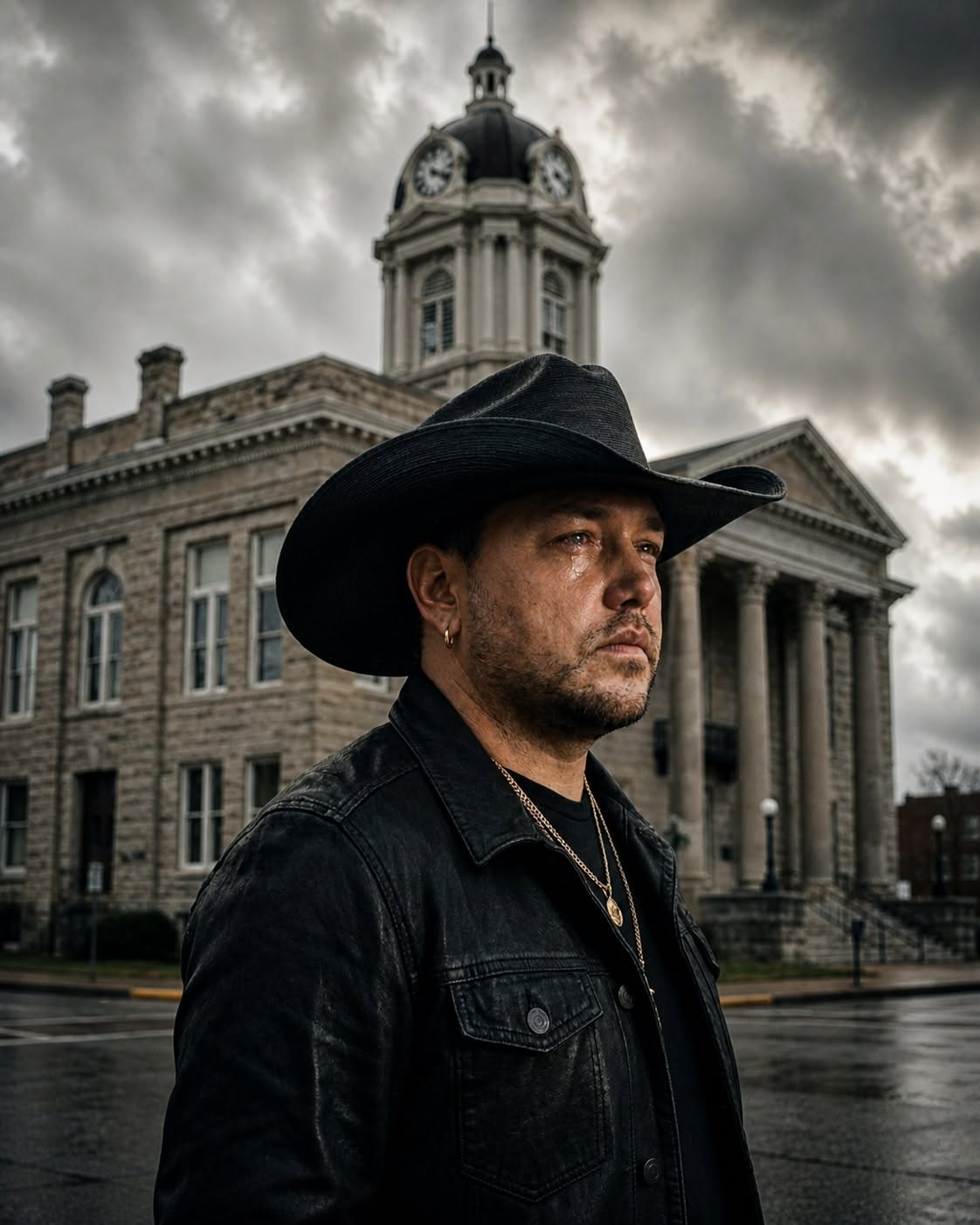
HE WROTE A SONG ABOUT REFUSING TO LET AGE DEFEAT HIM.
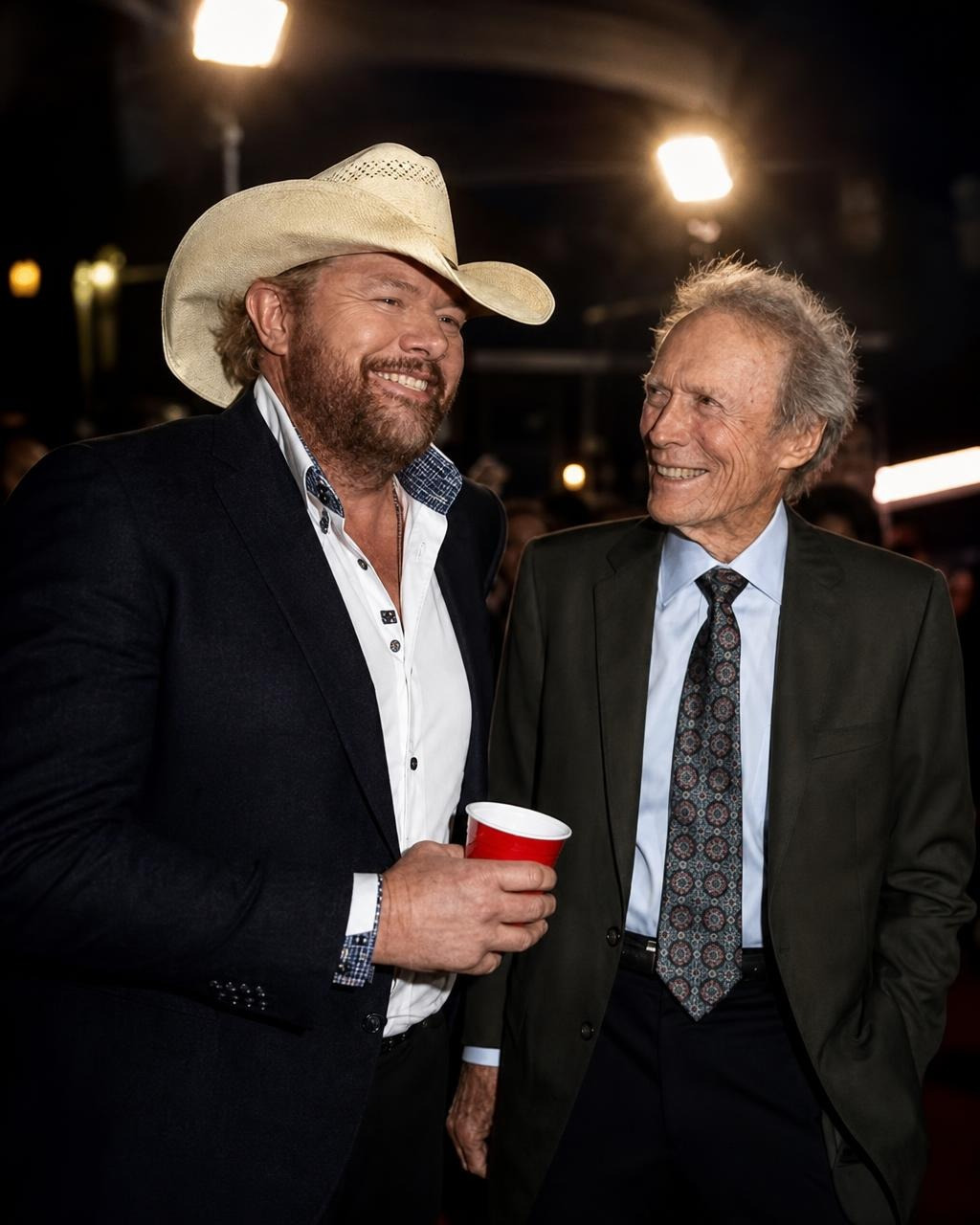
Sometimes a song begins as a simple conversation and ends up becoming a life story. That was the case with Toby Keith’s “Don’t Let the Old Man In,” a song born from a remark Clint Eastwood made during a round of golf in 2018. Eastwood was approaching his 88th birthday and still working, still directing, still moving forward. When Toby Keith asked how he kept going, Clint Eastwood answered with a line that stuck: “I don’t let the old man in.”
Toby Keith went home and wrote the song. At first, it sounded like advice for staying young in spirit, for refusing to give in to time and slowing down. Clint Eastwood later used the song in the closing scene of The Mule, giving it a second life on screen. But the most powerful chapter of the song’s journey had not happened yet.
A Song Returns at the Right Time
In September 2023, after stepping away from the spotlight for about 18 months while battling stomach cancer, Toby Keith returned to television at the People’s Choice Country Awards. He came out in his white cowboy hat, guitar in hand, and sang “Don’t Let the Old Man In” in a room that stayed quiet and still. There was no rush in the performance. Every line seemed to carry more weight than it had before.
The song had not changed. Toby Keith had.
What once sounded like a stubborn refusal to age now felt like something deeper: a message from a man trying to keep his dignity, his voice, and his courage while facing illness. The performance resonated widely, and the song later reached No. 1 on Billboard’s Country Digital Song Sales chart.
Toby Keith did not sing the song like a statement about age anymore. He sang it like a promise to keep showing up, even when life had become harder than anyone in the room could see.
From Advice to Farewell
Toby Keith died on February 5, 2024, at age 62, four months after that televised performance. Looking back, the moment feels even more moving now. “Don’t Let the Old Man In” began as a line from Clint Eastwood, but in Toby Keith’s final televised performance it became something else entirely: a final act of strength, honesty, and control.
That is why the song still stands out. It was never just about refusing age. In Toby Keith’s hands, especially at the end, it became a reminder that people can face decline without surrendering their spirit. The body may weaken. The stage may get harder to reach. But the will to stand there, one more time, can still remain.
For fans, that performance was not only a musical moment. It was a goodbye shaped as a song, and it carried the kind of truth that lasts long after the final note fades.